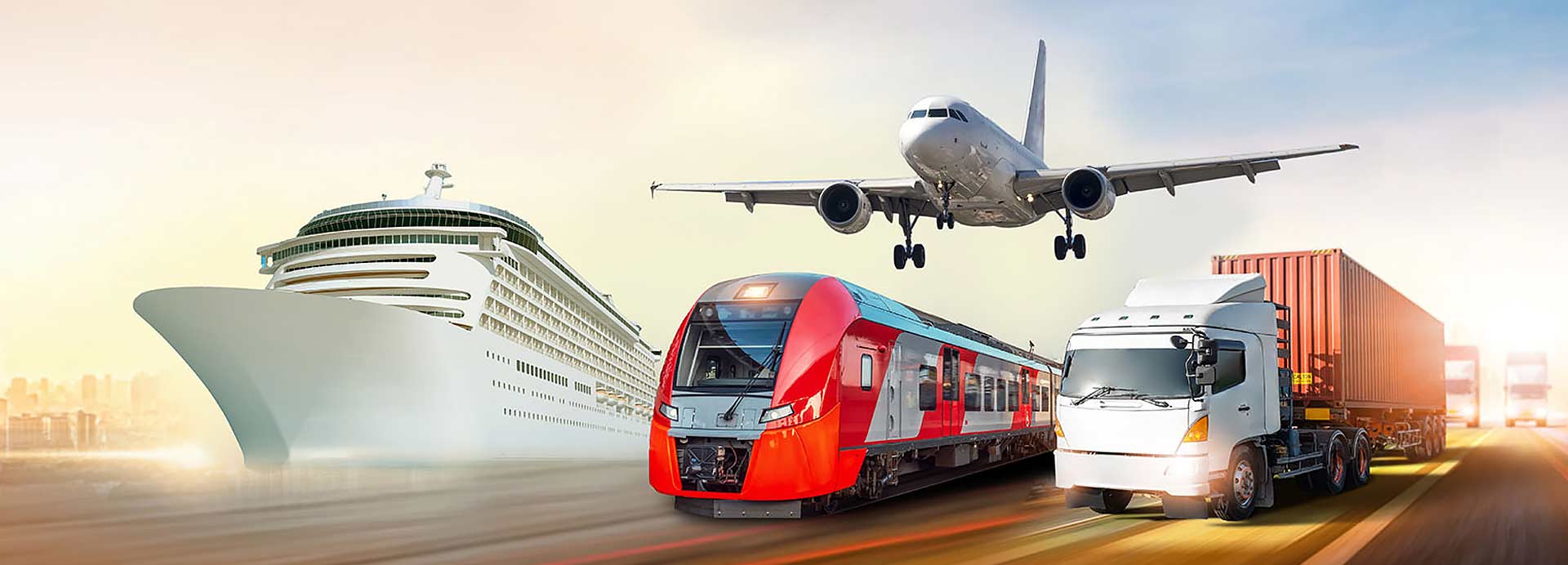
The Kinetic Maritime & Aviation Paradigm
The global shipping and commercial aviation sectors are physically bottlenecked by the weight of legacy materials, severe aerodynamic drag, and the storage limitations of green fuels. The CAF ecosystem shatters these constraints.
Marine bio-fouling creates immense hydrodynamic drag, costing the global shipping industry billions in lost fuel efficiency. Because CAF Grade E/M graphene creates a sterically impenetrable, hydrophobic barrier that is intrinsically hostile to microbial adhesion, coating marine hulls eliminates barnacle and algae growth without toxic chemical leaching.
The aviation and maritime transition to Hydrogen fuel is crippled by $H_2$ leakage and severe metal embrittlement in storage tanks. The pristine $sp^2$ lattice of CAF graphene is dense enough to physically block even atomic helium. Coating pressurized fuel lines and cryogenic tanks completely eradicates hydrogen bleed and structural degradation.
Commercial payload economics are dictated entirely by airframe weight. By integrating CAF Grade C material (130 GPa intrinsic strength) into aerospace carbon-fiber and titanium matrices, we engineer structural composites exponentially stronger than aerospace-grade aluminum at a fraction of the mass, drastically extending flight range and payload capacity.
Atmospheric icing is a critical hazard for commercial aviation, traditionally requiring heavy pneumatic boots or highly toxic de-icing fluids. By depositing a transparent, highly conductive CAF Grade S layer across wing leading edges and sensor arrays, aircraft can utilize instantaneous electrical Joule heating to passively vaporize ice build-up in flight.
The electrification of maritime transport is halted by the extreme weight and low energy density of lithium-ion arrays. Integrating CAF Grade E/M into solid-state quantum battery architectures allows for immense, rapid-discharge energy storage capable of powering heavy-displacement cargo vessels without the risk of thermal runaway at sea.
High-speed atmospheric flight generates intense frictional heat that compromises traditional composites. The extreme phonon dispersion capability of CAF graphene (~5,300 W/mK) allows for the kinetic deposition of thermal routing layers on leading edges and engine nacelles, rapidly dissipating heat before structural ablation occurs.
The 5-IP technology stack and pilot mechanics are complete. Initiate contact to discuss global acquisition, rapid implementation, or to request data room access.
Partner With Us